Introduction
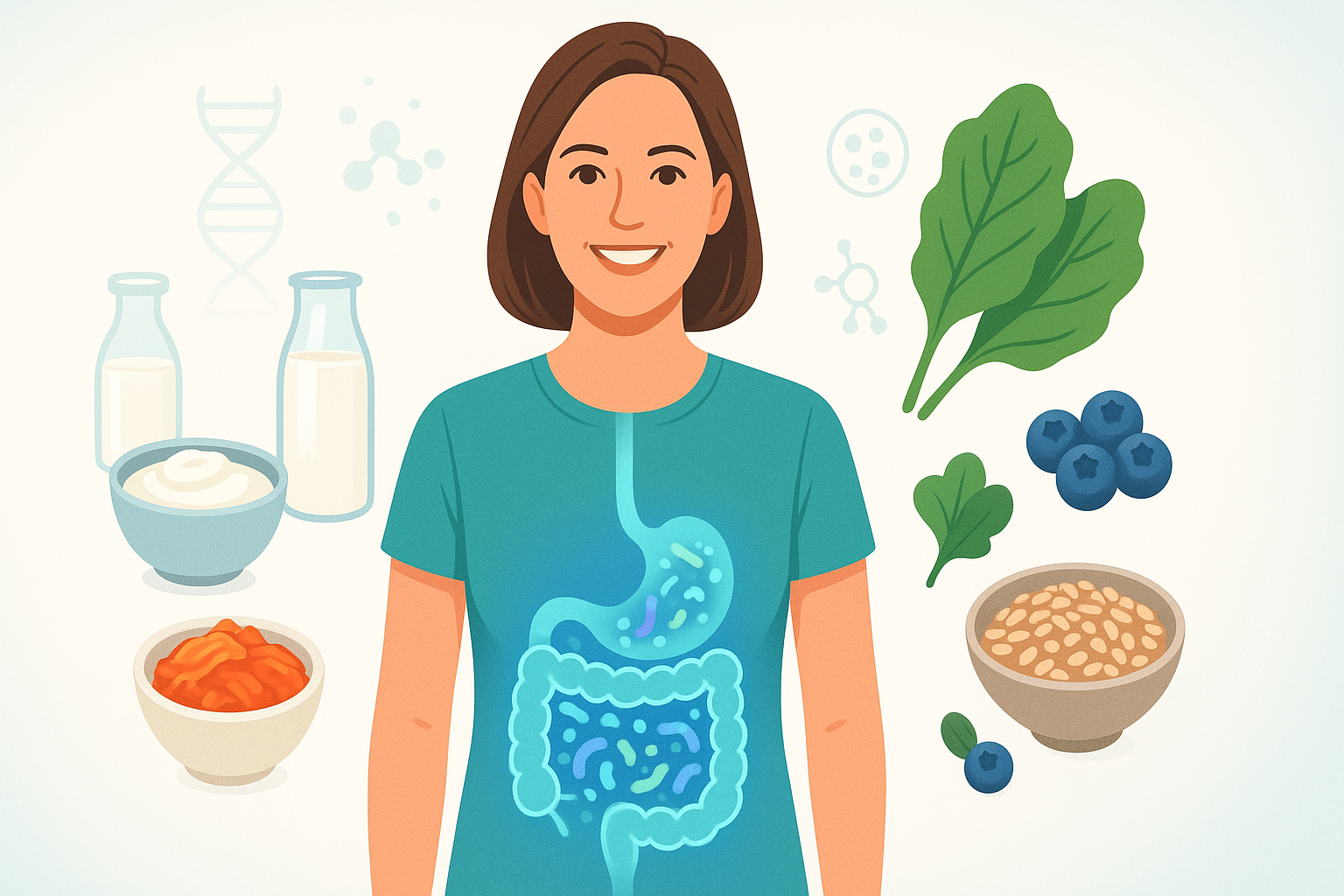
A healthy gut microbiome is more than a trend—it’s a cornerstone of overall health. Trillions of microorganisms live in your digestive system, helping digest food, regulate immunity, control inflammation, and even influence brain health.
Research consistently shows that people with a diverse and balanced gut microbiome enjoy better digestion, stronger immunity, improved mood, and lower risk of chronic diseases.
This guide uses evidence-based nutrition science and simplified explanations to help you naturally support your gut health safely and sustainably.
What Is the Gut Microbiome?
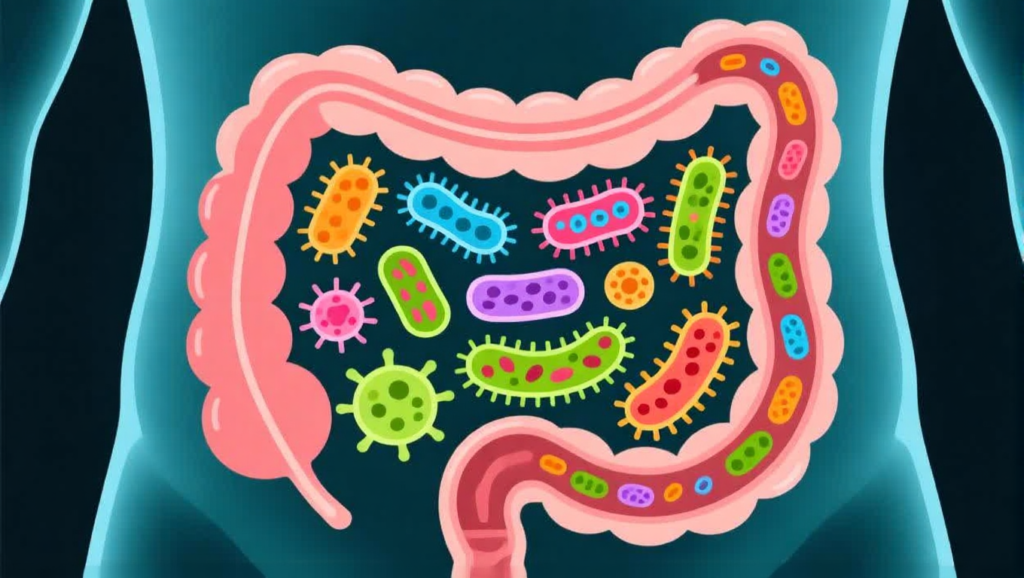
The gut microbiome is the ecosystem of bacteria, fungi, and other microbes living mainly in your intestines. Think of it as a hidden organ that assists with digestion, vitamin production, immune defense, and hormone regulation.
A healthy gut microbiome is diverse, meaning it contains many types of beneficial bacteria. Diversity is one of the strongest indicators of gut health according to modern research.
Why Gut Health Is Important
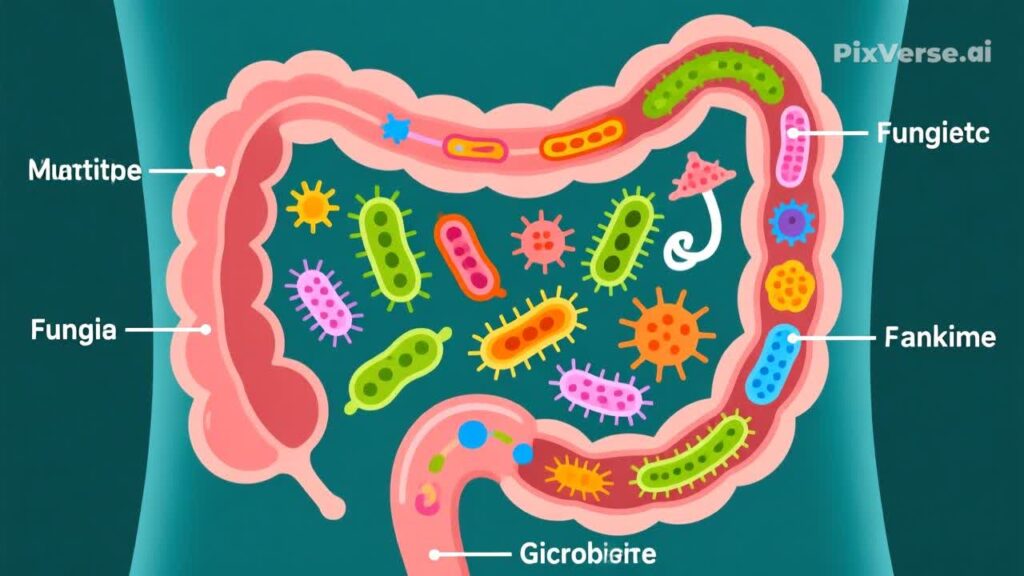
Your gut microbiome affects almost every system in your body. A balanced gut helps:
- Improve digestion and nutrient absorption
- Strengthen immune defenses
- Reduce chronic inflammation
- Support mental health and mood
- Maintain healthy metabolism and weight
An imbalanced gut has been linked to IBS, obesity, diabetes, autoimmune disorders, allergies, and depression.
Best Foods for a Gut Microbiome Healthy
Food is the most powerful tool for shaping your gut microbiome. What you eat directly feeds either beneficial or harmful bacteria.
Fiber-Rich Foods
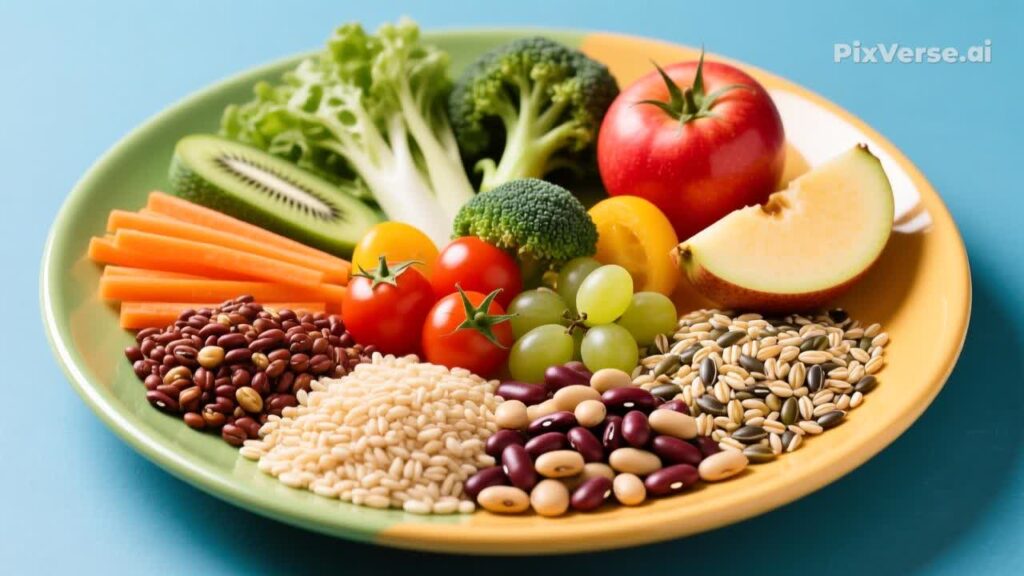
Dietary fiber acts as fuel for beneficial gut bacteria. When these bacteria ferment fiber, they produce short-chain fatty acids that protect the gut lining and reduce inflammation.
Top sources:
- Vegetables and leafy greens
- Fruits
- Whole grains
- Legumes and beans
- Nuts and seeds
Fermented Foods
Fermented foods naturally contain live probiotics, which boost microbial diversity and improve digestion.
Examples:
- Yogurt with live cultures
- Kefir
- Kimchi
- Sauerkraut
- Kombucha

Prebiotic Foods
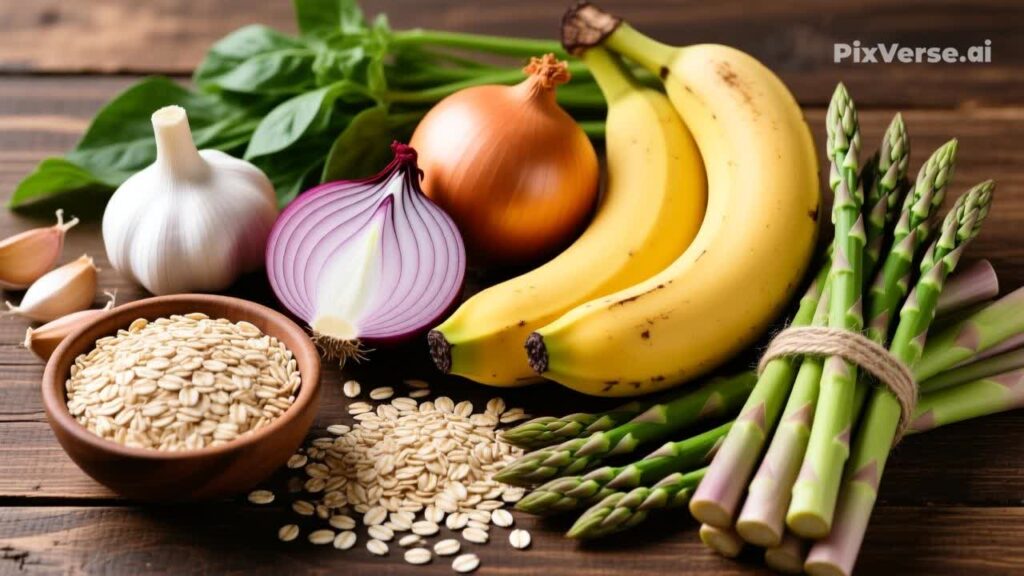
Prebiotics are fibers that selectively feed good bacteria, helping them thrive.
Top prebiotic foods:
- Garlic
- Onions
- Bananas
- Oats
- Asparagus
Foods That Harm Gut Health
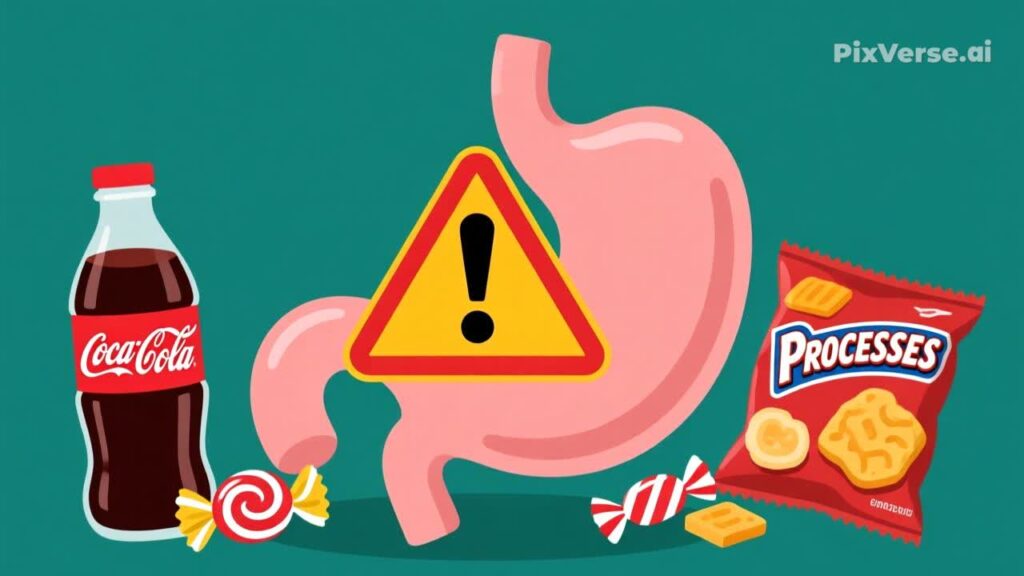
Some foods disrupt gut balance and feed harmful bacteria:
- Highly processed foods
- Excess sugar and sugary drinks
- Artificial sweeteners
- Refined carbohydrates
- Excess alcohol
Limiting these foods allows beneficial bacteria to thrive naturally.
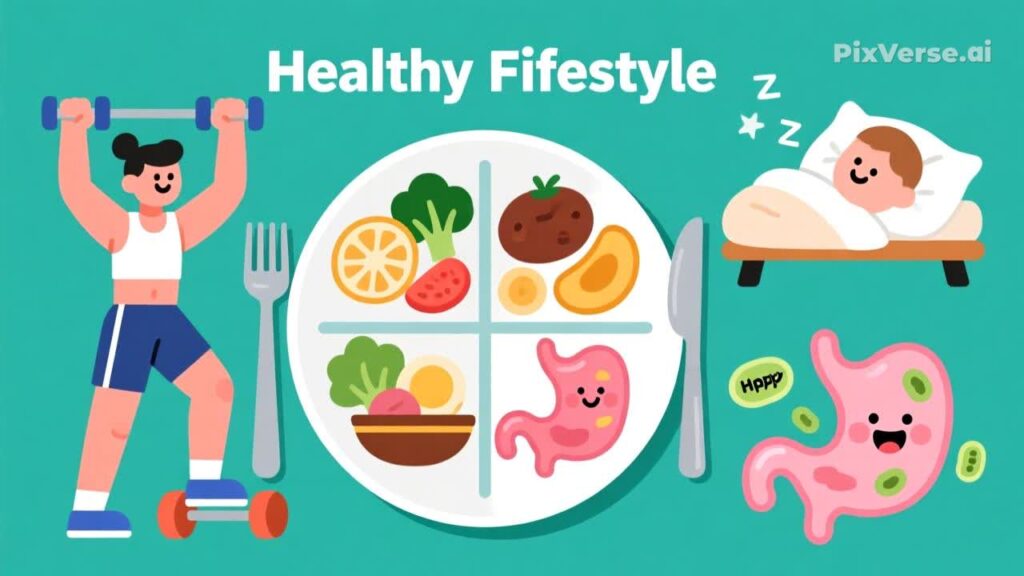
Lifestyle Habits That Improve Gut Health
Gut health isn’t just about food—daily habits strongly influence your microbiome.
Manage Stress
Chronic stress alters gut bacteria and increases inflammation. Mindfulness, meditation, or breathing exercises can help restore balance.
Prioritize Sleep
Quality sleep allows the gut lining to repair and supports microbial diversity. Aim for 7–9 hours of consistent sleep.
Exercise Regularly
Moderate physical activity increases beneficial gut bacteria and improves digestion.

Daily Routine for a Healthy Gut
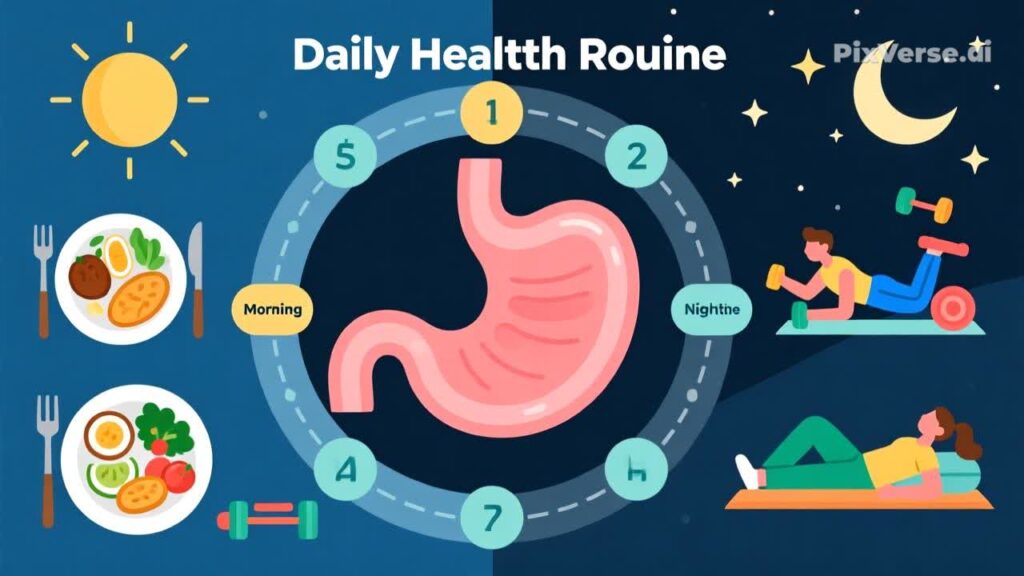
Sample Gut-Boosting Daily Routine:
- Morning: Glass of water + high-fiber breakfast (oats, banana, chia seeds)
- Midday: Include fermented foods like yogurt or kefir
- Afternoon: Light exercise or a walk
- Evening: Fiber-rich dinner (vegetables, legumes, whole grains)
- Night: 5–10 min mindfulness or meditation before sleep
Tips to Increase Microbiome Diversity
- Eat a rainbow of fruits and vegetables
- Try new fermented foods periodically
- Include nuts, seeds, and whole grains regularly
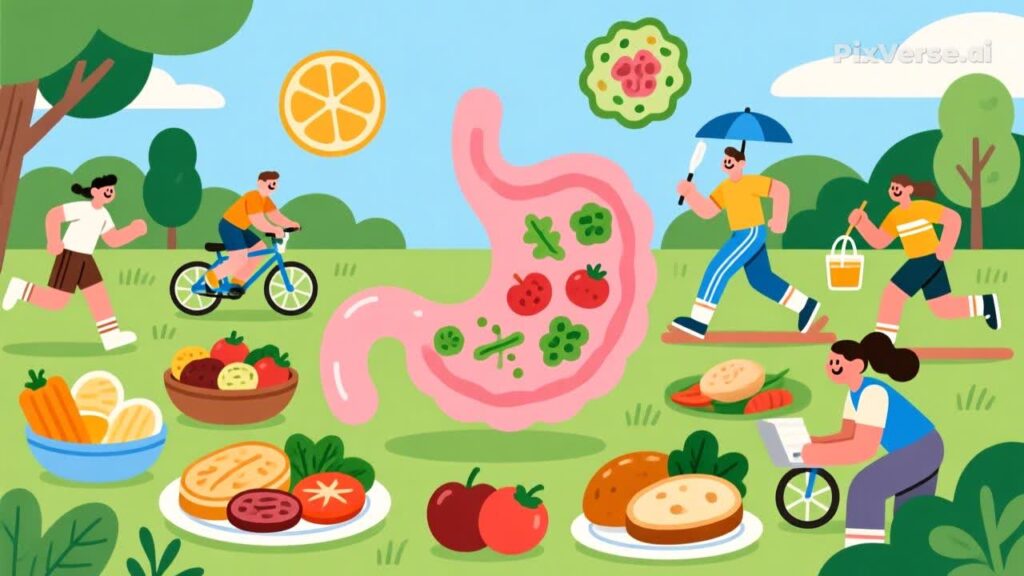
- Spend time outdoors for contact with natural microbes
Gut-Brain Connection
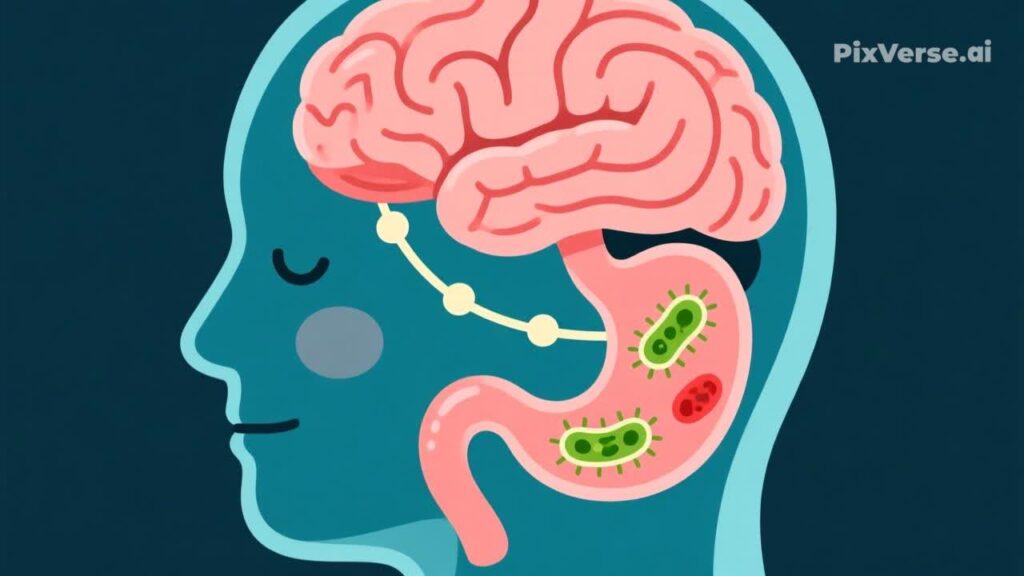
Gut bacteria produce neurotransmitters like serotonin, which influence mood, sleep, and mental clarity. A healthy gut supports:
- Better mood and reduced anxiety
- Improved focus and cognition
- Quality sleep
Antibiotics and Gut Health
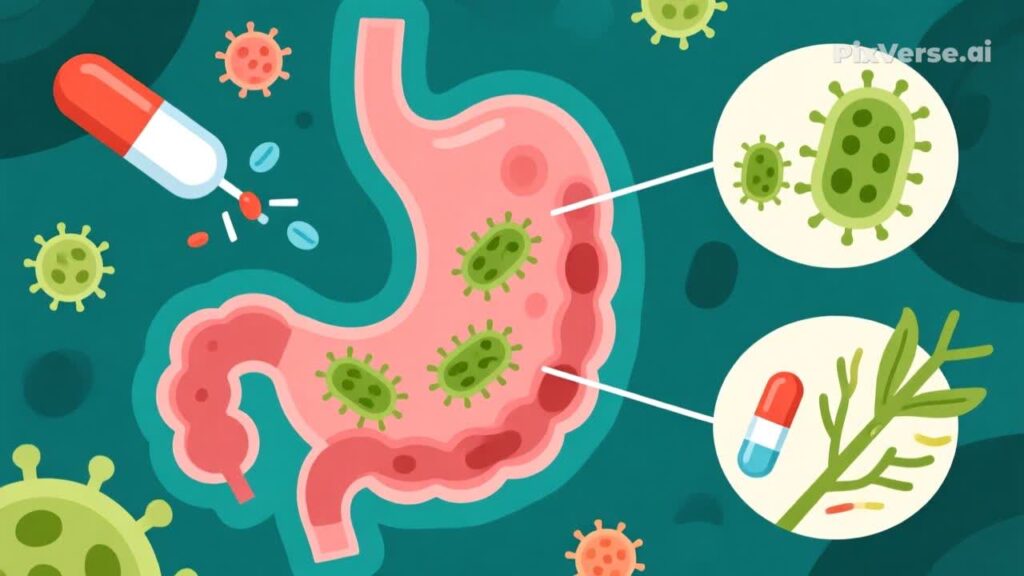
Antibiotics can reduce both harmful and beneficial bacteria. After antibiotic use:
- Eat probiotics like yogurt, kefir, or sauerkraut
- Include prebiotic foods to feed returning bacteria
- Avoid processed foods temporarily
- Stay hydrated to support recovery
How Long Does It Take to Improve Gut Health?
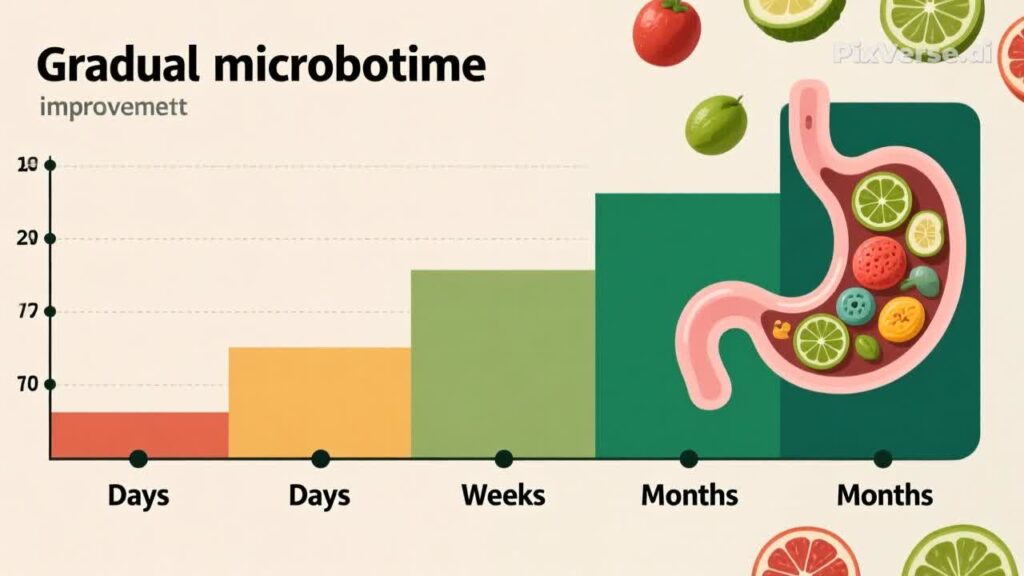
Positive changes can begin within a few days of dietary improvements, but long-term balance usually requires weeks to months of consistent healthy habits.
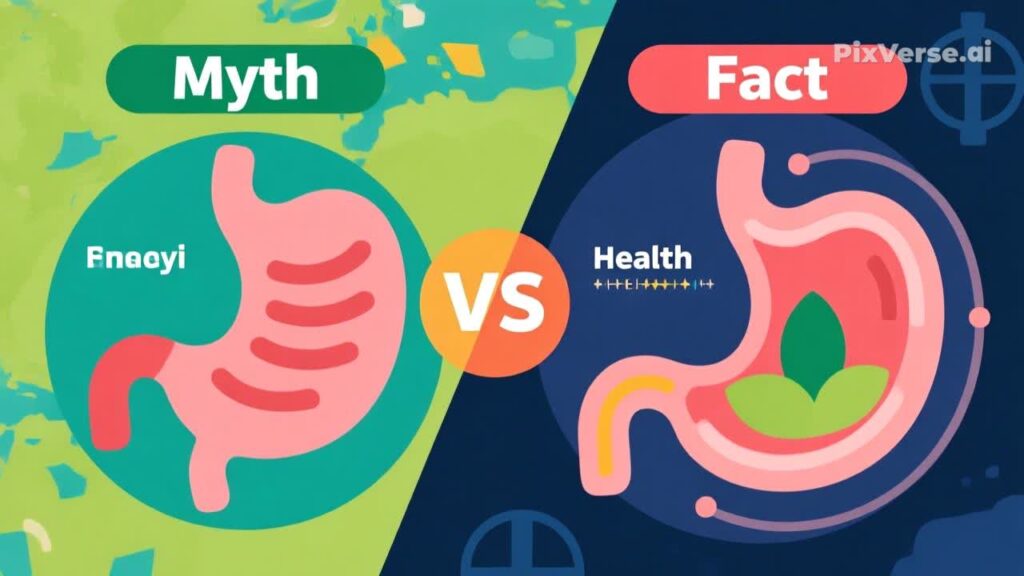
Gut Health Myths
- Myth: All bacteria are bad. ✅ Truth: Most gut bacteria are beneficial.
- Myth: Only probiotics improve gut health. ✅ Truth: Fiber and prebiotics are equally important.
- Myth: Gut health changes instantly. ✅ Truth: Microbiome improvements take weeks to months.
Conclusion
Building a health gut microbiome is a gradual, rewarding process. Focus on:
- Fiber-rich and fermented foods
- Prebiotics to feed good bacteria
- Balanced lifestyle: sleep, exercise, stress management
- Mindful living
Start small: add one fermented food per day, swap sugary snacks for fruits, and notice how your digestion and energy improve over time.
Frequently Asked Questions
What is the gut microbiome?
The gut microbiome is a community of trillions of microorganisms in your digestive tract that influence digestion, immunity, and overall health.
How can I naturally improve my gut health?
Eat fiber-rich foods, include fermented foods, reduce sugar intake, manage stress, and get adequate sleep.
Are probiotics necessary?
Many people can maintain gut health through diet alone, but probiotics may help in specific situations, such as after antibiotic use.
How does stress affect gut health?
Chronic stress can reduce beneficial bacteria and increase inflammation, negatively impacting digestion and immunity.
Can antibiotics damage gut bacteria?
Yes, antibiotics can reduce both harmful and beneficial bacteria. Recovery can be supported through diet and lifestyle.